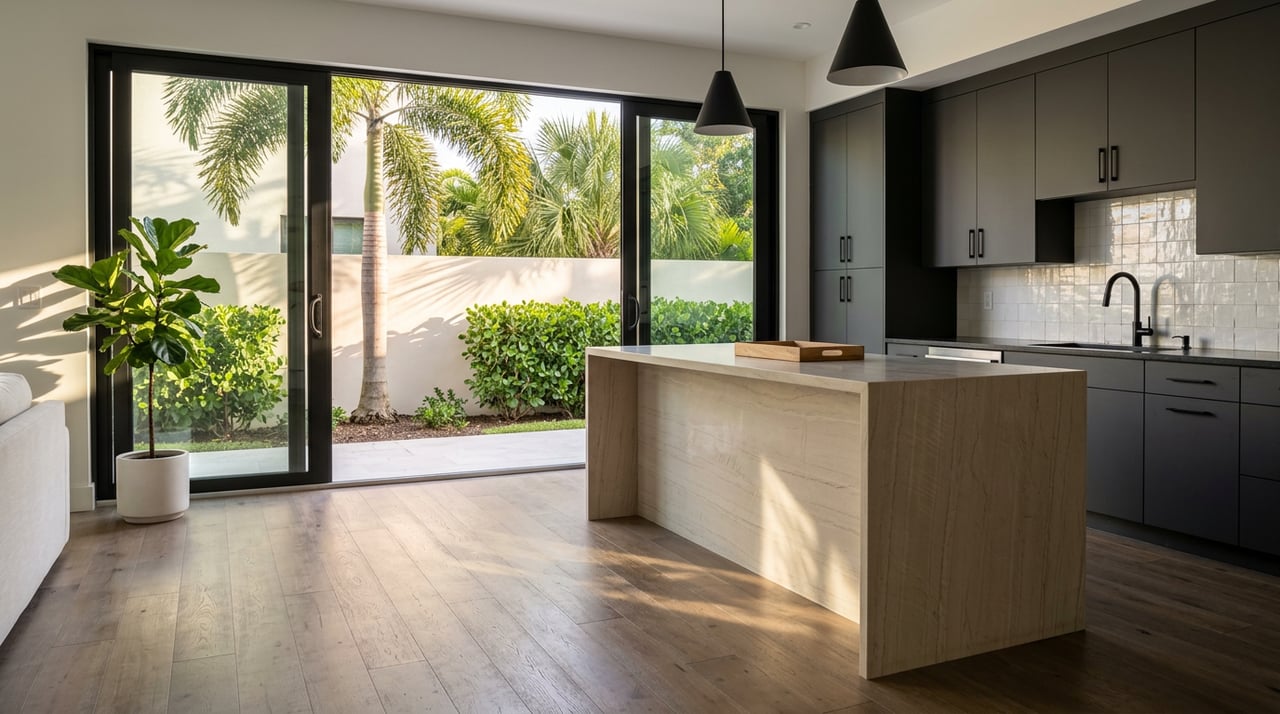
Buying a home in Lakewood Ranch from another state does not have to feel risky or rushed. With the right plan, you can tour homes virtually, verify every detail, and close confidently without boarding a plane. In this guide, you’ll learn a step‑by‑step remote process specific to Lakewood Ranch, including how to evaluate villages, request documents, manage inspections, understand HOA and CDD costs, and close using remote notarization. Let’s dive in.
Why Lakewood Ranch attracts remote buyers
Lakewood Ranch is a large, award‑winning master‑planned community that spans parts of Manatee and Sarasota counties. You’ll find multiple villages, town centers, parks, medical facilities, golf courses, and 150+ miles of trails. Start your research on the official community site to explore village maps, amenities, and the New Home Center for model home info and on‑site builder contacts. Visit the Lakewood Ranch official site for the most accurate details.
How remote buying works in Lakewood Ranch
1) Define your village shortlist
Lakewood Ranch is organized into distinct “villages,” each with its own amenities, HOA structure, and sometimes age‑restricted options. Use the community’s maps and village pages to compare location, amenities, and proximity to shopping and services. If you’re considering new construction, the New Home Center can help coordinate model home visits and connect you with builder reps.
- What you do: Review the Lakewood Ranch official site to identify 2–3 villages that fit your needs. Note any age restrictions and planned amenities that matter to you.
- What your agent does: Confirms whether target homes sit in Manatee or Sarasota County and checks travel times and everyday conveniences.
- What to confirm: Which HOA or condo association applies, expected fees, and any community development district (CDD) presence.
2) Hire a Lakewood Ranch buyer’s agent
A local buyer’s agent should know which villages are in Manatee versus Sarasota, how to pull parcel and tax records, and how to request HOA disclosures and estoppels. They should also run live video tours and attend builder meetings on your behalf. Ask about their remote‑buyer workflow and who handles scheduling, document collection, and deadline tracking.
- What you do: Interview for experience in Lakewood Ranch villages and new construction. Ask how they manage virtual tours and inspection logistics.
- What your agent does: Coordinates showings, collects disclosures, and serves as your on‑the‑ground advocate.
- What to confirm: Communication cadence, response times, and who covers you if your agent is out of town.
3) Tour homes virtually and submit e‑offers
Most listings in Lakewood Ranch include high‑res photos and sometimes interactive 3D tours. Your agent can host live video walk‑throughs so you see flow, finishes, and the neighborhood setting in real time. Florida transactions commonly use electronic signatures for contracts and addenda, so you can submit and negotiate offers from anywhere once the listing side confirms acceptance of e‑signatures.
- What you do: Request floor plans, high‑resolution photos, and live video tours of top homes.
- What your agent does: Verifies the listing side accepts e‑signatures and obtains seller and HOA disclosures electronically.
- What to confirm: Offer deadlines, response windows, and any builder‑specific offer procedures if new construction is in play.
4) Run due diligence from afar
The right documents tell the full story of taxes, assessments, and community rules. Your agent and title team can gather most items while you review remotely.
-
Title and taxes: Pull the official parcel record and most recent county tax bill to see assessed value, exemptions, and any non‑ad valorem lines. In Manatee County, use the Property Appraiser’s parcel and tax lookup.
-
CDDs: Many Lakewood Ranch villages sit in community development districts that levy annual assessments for infrastructure and operations. These usually appear as separate lines on the county tax bill. For assessment schedules and budgets, check the district’s website or manager. For example, see the Windward at Lakewood Ranch CDD site.
-
HOAs: Florida law sets requirements for HOA disclosures, estoppel certificates, fees, and timelines. Request the full HOA disclosure packet and the estoppel within your contract period. Review cancellation rights and estoppel timing in Florida Statutes, Chapter 720.
-
WDO/termite: Florida lenders often require a Wood‑Destroying Organisms (WDO) inspection. The state uses the FDACS standardized report, Form FDACS‑13645. Your inspector will provide the report on this form.
-
What you do: Review the tax bill, CDD assessment info, HOA rules, and budgets with your agent. Ask questions about any costs you do not recognize.
-
What your agent or title company does: Requests parcel records, HOA estoppel, and any available CDD budget documents.
-
What to confirm: All required HOA disclosures were delivered within the contract timeline and any CDD charges are included in your budget.
5) Schedule inspections with remote documentation
Standard Florida inspections are completed on site. As a remote buyer, you can still see what inspectors see through video and robust photo reports.
- What you do: Order a general home inspection plus specialty inspections as needed, such as roof, HVAC, pool, and the separate WDO inspection. Ask for timestamped photos and video.
- What your agent does: Attends the inspection and hosts a live video debrief so you can discuss issues in real time. If needed, they schedule contractor bids for repairs or further evaluation.
- What to confirm: Deadlines for the inspection period, how to request repairs, and next steps if the WDO report notes activity or damage.
6) Coordinate new construction remotely
Lakewood Ranch offers a wide range of builders and product types, from single‑family homes to townhomes and 55+ options. For warranty clarity, ask the builder to provide all warranty documents in writing and identify any third‑party administrator. Many respected builders use an insurance‑backed 1/2/10 structure. You can learn how that coverage works on the 2‑10 Home Buyers Warranty site.
- What you do: Review the builder’s contract, selection timelines, and warranty booklets before you sign. Use the Lakewood Ranch builders list to confirm active builders in each village.
- What your agent does: Attends builder meetings, confirms orientation and punch‑list processes, and documents finish selections and milestones.
- What to confirm: Warranty coverage periods, claim process, and who your single point of contact is for service requests.
7) Title, closing, and remote notarization
Florida allows Remote Online Notarization for many real estate documents when performed by registered online notaries and when the title company and lender approve. Review the state’s program and requirements through the Florida Department of State’s RON guidance. Manatee County also accepts many electronically recorded documents; confirm details and vendors on the Manatee County Clerk e‑recording page.
- What you do: Ask your title company and lender early if they support RON and e‑recording for your closing package.
- What your agent or title company does: Sets up the closing timeline, coordinates RON logistics, and confirms any hybrid steps if a wet signature or paper original is required.
- What to confirm: Which documents can be signed online, how identity verification will work, and the schedule for document delivery and recording.
8) Final walk‑through, closing logistics, and POA
If you cannot attend the final walk‑through, your agent can complete it with you via live video and provide a recorded file for your records. For unresolved items, consider a written repair agreement or a small holdback in escrow if permitted by your title company and contract terms. If you plan to use a power of attorney, check with your lender as early as possible, since some lenders do not accept POA signatures for mortgages. Review Florida’s POA statute to understand execution and recording rules in Chapter 709.2106.
- What you do: Approve the final walk‑through video, confirm utilities and keys, and review the closing statement.
- What your agent or title company does: Coordinates funding, disburses any repair credits or holdbacks, and delivers keys or lockbox access.
- What to confirm: That all agreed repairs are complete or properly documented and that your closing funds and wire instructions are verified through secure channels.
Quick Lakewood Ranch remote‑buyer checklist
- Confirm the county for each target address and pull the official parcel and tax record using the Manatee County Property Appraiser.
- Identify any CDD. Request the current district budget and assessment schedule, such as those posted on CDD sites like Windward at Lakewood Ranch CDD.
- Request the HOA disclosure packet and order the estoppel within your contract timeline. Review rights and timing under Florida Statutes, Chapter 720.
- Order a full home inspection and a WDO inspection on the state’s FDACS‑13645 WDO form. Ask for video and timestamped photos.
- If buying new, obtain builder warranty documents in writing and confirm coverage details. Learn common structures via 2‑10 Home Buyers Warranty.
- Ask your title company and lender if they support Remote Online Notarization in Florida and Manatee County e‑recording. If not, discuss a plan for an in‑person signing.
- Schedule a remote final walk‑through with recorded video. Confirm any holdbacks or repair agreements in writing.
Avoid common pitfalls
- Overlooking a CDD assessment: Always review the tax bill’s non‑ad valorem lines to confirm CDD charges and include them in your monthly budget.
- Relying on a POA the lender will not accept: Some lenders do not allow mortgage documents to be signed by POA. Verify lender policy early and plan for RON or an in‑person signing if needed.
- Missing HOA disclosures or estoppels: Under Chapter 720, buyers have remedies if required disclosures are not provided on time. Build clear deadlines into your contract and track delivery.
How the Megan Finke Group supports remote buyers
Buying from afar takes clear communication, local knowledge, and tight process control. Our team guides you through village selection, virtual showings, document collection, inspections, HOA and CDD verification, and remote closing logistics. If you are building new, we coordinate with on‑site reps, confirm warranty coverage and punch‑list steps, and protect your timeline from contract to orientation and keys. Ready to explore Lakewood Ranch from where you are? Schedule your next step with the Megan Finke Group.
FAQs
What is Lakewood Ranch and why is it good for remote buyers?
- It is a large master‑planned community across Manatee and Sarasota counties with many villages, amenities, and trails, which makes it easy to compare options and buy confidently with virtual support.
How do CDD fees work in Lakewood Ranch?
- Many villages are in community development districts that levy annual assessments shown as separate lines on the county tax bill; include them in your monthly budget.
Can I close on a Lakewood Ranch home fully online?
- Often yes, if your title company and lender approve Remote Online Notarization and e‑recording; ask them early so you can plan for an all‑digital or hybrid closing.
What is a WDO inspection in Florida and do I need one?
- A WDO inspection checks for wood‑destroying organisms like termites; Florida uses a standardized WDO report and many lenders require it for home purchases.
How are HOA documents handled when buying remotely?
- Your agent and title team request the HOA disclosure packet and estoppel within the contract timeline; you review rules, fees, and contacts before moving forward.
Do Lakewood Ranch builders offer new‑home warranties?
- Many reputable builders provide written 1/2/10‑style coverage for workmanship, systems, and structural components; always request the full warranty booklets before signing.
What if my lender will not accept a power of attorney?
- Confirm this early; if your lender will not allow a POA, plan for Remote Online Notarization or arrange a brief in‑person signing to keep your closing on schedule.
