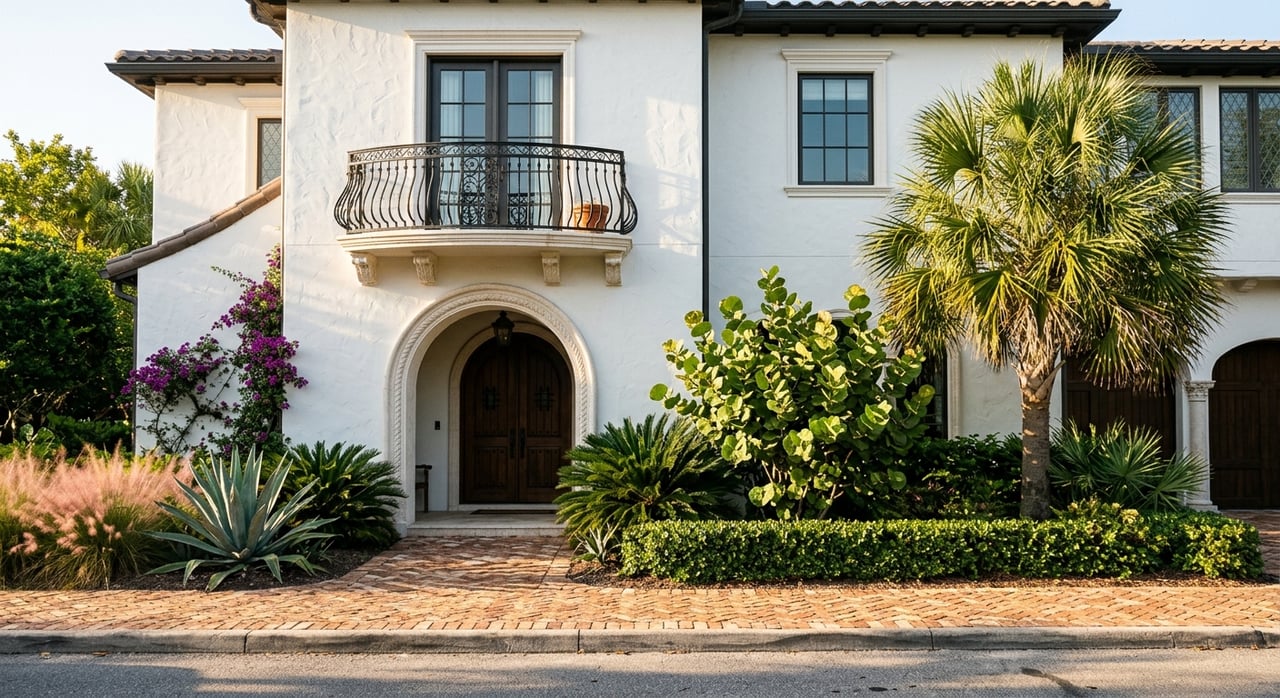
If you are trying to choose between Downtown Venice and East Venice, you are really choosing between two very different ways of living. One gives you historic character, walkable streets, and quick access to the beach. The other leans toward newer homes, gated settings, and easier access to I-75. This guide will help you compare both areas so you can buy with more clarity and confidence. Let’s dive in.
Downtown Venice at a Glance
Downtown Venice is the city’s historic core, known for its 1920s character, boutiques, restaurants, and public gathering spaces. The area includes free parking at Centennial Park, a Saturday farmers market, and trail connections that run directly downtown. Venice Beach is also less than a mile away, which adds to the area’s appeal for buyers who want to stay close to the island lifestyle.
This part of Venice feels established rather than newly built. You are more likely to find a mix of home styles, older buildings, and properties with distinct architectural details. If you want a setting with personality and everyday convenience on foot or by bike, downtown stands out.
East Venice at a Glance
East Venice generally refers to the areas east of I-75 where the housing mix shifts toward newer gated and master-planned communities. Research in this market points to communities such as Vistera of Venice, Aria, and Venetian Golf & River Club. These neighborhoods are positioned near key routes like Laurel Road, Jacaranda, and Exit 195, which makes them more highway-oriented for day-to-day travel.
In contrast to downtown, East Venice usually offers a more predictable new-home product. You will often see single-family homes, paired villas, and amenity-focused community planning. If your priority is newer construction and a more structured neighborhood setup, this side of Venice may be the better fit.
Housing Style and Home Types
Downtown Venice homes
Downtown Venice tends to offer a broader range of housing styles and ages. The city’s historic register includes everything from 1920s buildings to a 1930 cottage, a 1948 mid-century ranch, and converted apartment buildings that now function as condos. That variety can be a major plus if you appreciate period architecture or want a property with unique design features.
At the same time, variety means less uniformity. Two homes on the same street may have very different ages, conditions, and renovation histories. Buyers in downtown Venice should expect more parcel-specific details and a greater need to look closely at each individual property.
East Venice homes
East Venice communities are typically newer and more standardized. Vistera offers single-family homes and paired villas, while Aria features luxury single-family homes and club amenities. Venetian Golf & River Club includes 1,377 homes in a 1,039-acre gated setting, with optional golf membership and homesites that may overlook golf, lake, or preserve areas.
For many buyers, that consistency is a major advantage. You can often compare floor plans, lot positions, and amenity access more easily than in an older in-town neighborhood. This can be especially helpful if you are relocating, buying remotely, or considering new construction.
Lifestyle Differences That Matter
Why buyers choose Downtown Venice
Downtown Venice is often the better match if your routine centers on the island, the beach, dining, and local events. The district is built for short trips on foot or bike, and the nearby trail connections add to its convenience. If you picture mornings at the farmers market, evenings out without a long drive, and quick access to Venice Beach, downtown supports that lifestyle well.
This area is also a strong choice if character matters more to you than newer finishes. Many buyers are drawn to the sense of place that comes with older architecture and a walkable core. The appeal here is less about sameness and more about atmosphere.
Why buyers choose East Venice
East Venice tends to attract buyers who want newer homes, larger floor plans, and planned-community amenities. Because many communities sit near I-75, the area can also make regional travel simpler. If your routine includes frequent drives beyond Venice or you want a home base with a more suburban layout, East Venice may feel more practical.
This side of the market also fits buyers who prefer a more amenity-driven setting. Gated entrances, club features, and a defined community structure can offer a different kind of convenience than downtown walkability. The lifestyle here is often about ease, newer design, and neighborhood features built into the community plan.
Ownership Costs and Rules
Downtown Venice considerations
In Downtown Venice, one of the biggest considerations is whether a property falls within a historic control district or appears on the city’s local register of historic properties. If it does, some exterior changes, demolition, or relocation work may require city review. That does not make these homes harder to own, but it does mean you should understand the rules tied to a specific address before you buy.
This is especially important if you plan to renovate. A charming older property may come with design review requirements that affect timelines and decisions. Buyers who love historic homes often see this as part of preserving the area’s character, but it is still something to factor into your plans.
East Venice considerations
In East Venice, newer master-planned communities may come with multiple layers of ownership costs and governance. Research for this market shows that some communities can involve a POA, HOA, and CDD structure. A CDD is a special-purpose local government that may finance and maintain community infrastructure, and those assessments can appear on your annual property tax bill.
That means your monthly and annual costs may include more than just mortgage, taxes, and insurance. In some neighborhoods, you may also be paying for amenities, maintenance, deed restrictions, and infrastructure obligations. Before buying in East Venice, it is wise to review the full fee picture for the specific community you are considering.
Convenience and Commute Patterns
Downtown daily rhythm
If you want daily convenience tied to the island itself, Downtown Venice has the edge. You are closer to the beach, local shops, restaurants, Centennial Park, and the downtown trail network. For buyers who value being able to spend more time near the historic core and less time in the car, this area offers a very different rhythm.
That convenience is not just about errands. It is also about how your day feels. Being near places you enjoy visiting regularly can shape your routine in a meaningful way.
East Venice daily rhythm
East Venice offers a different type of convenience. Communities near Laurel Road, Jacaranda, and Exit 195 place you closer to I-75, which can make driving around the region easier. This can be helpful if you commute, travel often, or simply want quicker highway access.
Importantly, East Venice is not cut off from the rest of the area. Community materials in the research note access to beaches, shopping, dining, and downtown Venice. In most cases, the question is not whether you can reach those places. It is whether you want your home base to be walkable and central or newer and more drive-oriented.
What About Schools?
Sarasota County Schools serves more than 44,000 students across 57 schools and has held an A-grade since 2004. Venice-area public schools listed in the research include Venice Elementary at 150 East Miami Avenue, Venice Middle at 1900 Center Road, and Venice High at 1 Indian Avenue. The district also ranked fifth among Florida districts in 2024-25.
That said, school assignment should always be verified by exact address. The district is discussing attendance-zone changes tied to the new Wellen Park High School, so you should not assume a school based only on a community name or general area. If schools are part of your home search, address-level confirmation matters.
Which Area Fits You Best?
The clearest difference between Downtown Venice and East Venice comes down to lifestyle priorities. Downtown is usually the stronger fit if you want historic character, walkability, local dining, market access, and quick trips to the beach. East Venice is usually the stronger fit if you want newer construction, gated-community amenities, larger homes, and easier access to I-75.
Neither option is automatically better. The right choice depends on how you want to live day to day, what kind of home product you prefer, and how comfortable you are with the ownership structure attached to that property. When you compare these areas through that lens, the decision gets much easier.
If you are weighing Downtown Venice against East Venice, having local guidance can save you time and help you focus on the details that matter most. The Megan Finke Group can help you compare communities, understand property-specific considerations, and find the Venice lifestyle that fits you best.
FAQs
Is Downtown Venice better for walkability?
- Yes. Based on the research, Downtown Venice is the more walkable option, with shops, restaurants, Centennial Park, trail connections, and Venice Beach less than a mile away.
Is East Venice mostly newer construction?
- In general, yes. East Venice is more closely associated with newer gated and master-planned communities that offer single-family homes, villas, and amenity-focused living.
Do East Venice communities have extra fees?
- Some do. The research shows that certain communities may include POA, HOA, and CDD obligations, so you should review the fee structure for each neighborhood before buying.
Are there rules for renovating Downtown Venice homes?
- Sometimes. If a downtown property is in a historic control district or on the local historic register, certain exterior changes or demolition work may require city review.
Should you check school zoning by address in Venice?
- Yes. Sarasota County Schools is discussing attendance-zone changes, so school assignment should be confirmed by exact property address rather than assumed from the area name alone.
